Ragnar Francén: “There cannot be one unique objective answer to moral questions.”
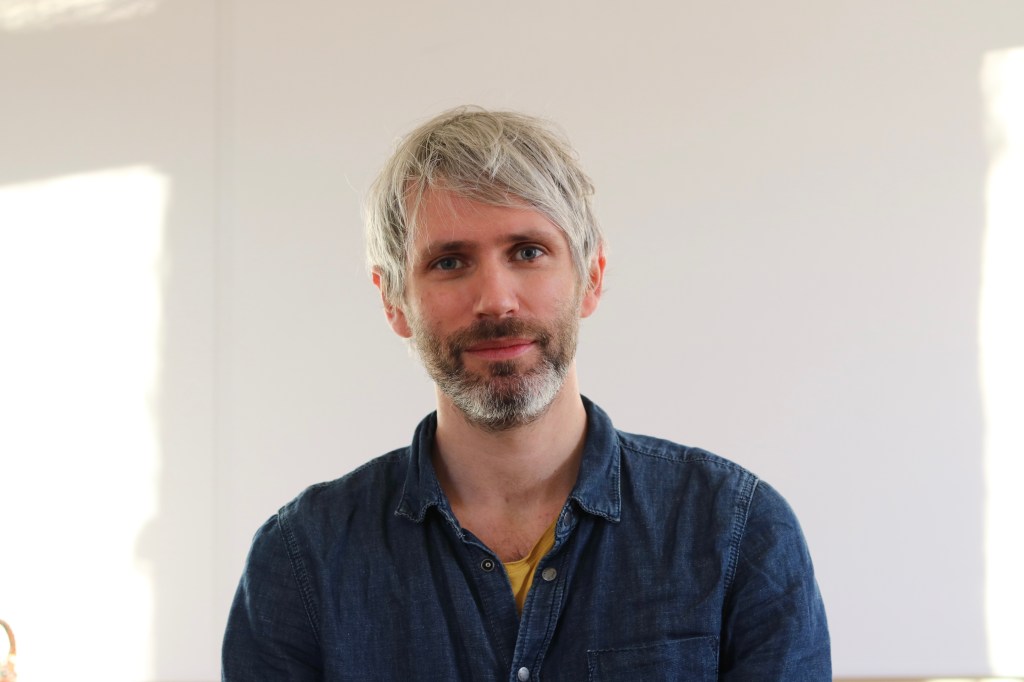
Ragnar Francén is a professor of philosophy at the University of Gothenburg, Sweden. He specialises in metaethics, which, contrary to its rather peculiar name, tackles core ideas of the human experience.
I spoke with Mr Francén about life, philosophy, and of course, metaethics.
What sparked your interest in philosophy?
It began when I studied at ‘gymnasiet’ (upper secondary school in Sweden). Absolute knowledge and ‘objective’ facts never interested me, so when philosophy was introduced, I was immediately intrigued.
Philosophy was about the connection between ideas; about thinking clearly and independently. You cannot solely rely on what others have claimed before you.
What did you do after ‘gymnasiet’?
I headed straight to university to pursue philosophy. Although I completed a few courses in economics and politics, philosophy was where I wanted to remain. I started with practical and then theoretical philosophy, which ultimately led me to the area of metaethics.
In 2008, I got my PhD defending my thesis “Metaethical Relativism: Against the Single Analysis Assumption”. I continued as a docent (what you would call ‘reader’), and just recently became a professor.
You debate metaethics. What is that?
It is a theoretical approach to practical philosophy. We look at morality and ask questions such as ‘What is it to have moral thoughts?’; ‘Are there actually moral facts in the world?’; ‘If there are, can we know anything about them?’
I initially believed there were obvious moral rights and wrongs, but through investigation, I came to accept metaethical relativism.
To put it simply: when two people discuss morality, they might not even talk about the same thing. One person’s moral standards might come from the community they grew up in, while the other’s come from their respective community.
If that’s correct, then there cannot be one unique objective answer to moral questions.
How is this relevant today, would you say?
Well, it is important to understand where disagreements come from. If we fail to, we end up talking past each other, which is far from constructive. This thinking is applicable in many other scenarios beyond just morality.
People – and society – are becoming more mistrustful of science. They think it reasonable to disregard scientific results based on their made-up beliefs, or what disproportionately loud voices say.
Philosophy is like physical exercise, but for the mind. You train it to think critically, to avoid fallacies in reasoning, and to reach logical conclusions.
Ultimately, we need some kind of antidote against the harmful, immoral trends in society. Philosophy could be one crucial ingredient.
And how do you think we could set this in motion?
Having more philosophy in school is, perhaps, a good starting point. Focusing solely on the old philosophers and the hard questions is not necessarily the best approach.
The key, as far as I believe, returns to the fundamentals of philosophy: encourage students to learn and think, independently.
Philosophy, is in its complexity, rather simple. It is about understanding ideas, reaching conclusions, and determining what you believe.
And in that lies its value.

