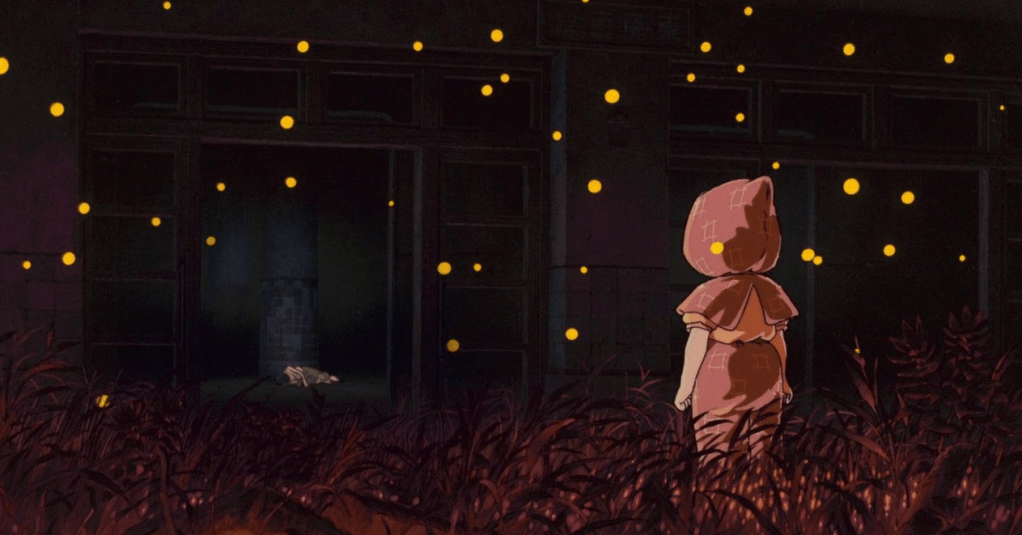
Grave of the Fireflies review – Living Nightmares in a War-torn Japan
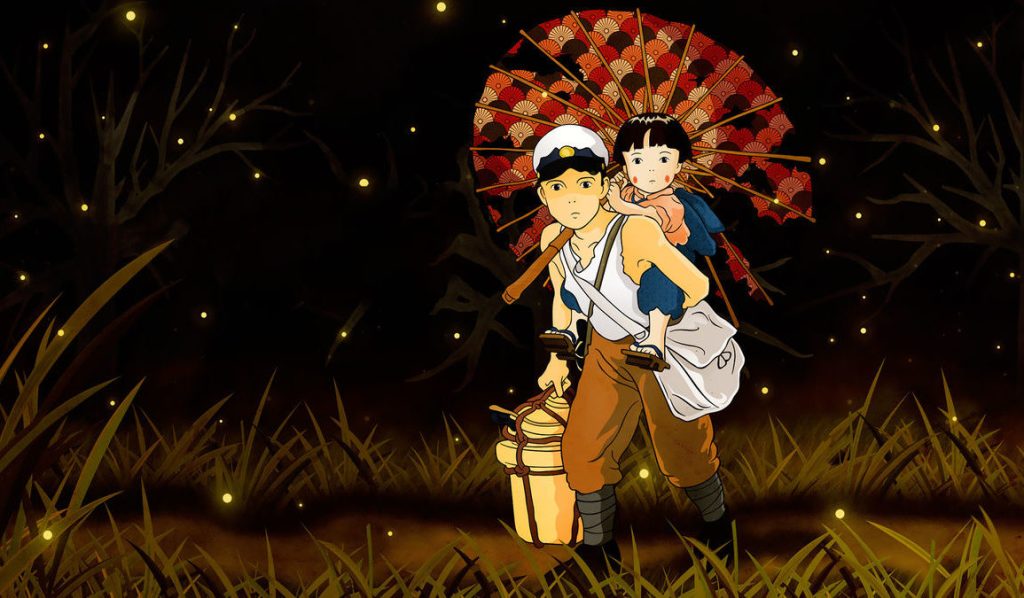
“September 21, 1945. . . that was the night that I died.” The haunting opening lines of director Isao Takahata’s Grave of the Fireflies (1988) reverberated like a demoniac siren from the first minute, setting the stage for an emotional rollercoaster, blending heartfelt warmth with utter despair.
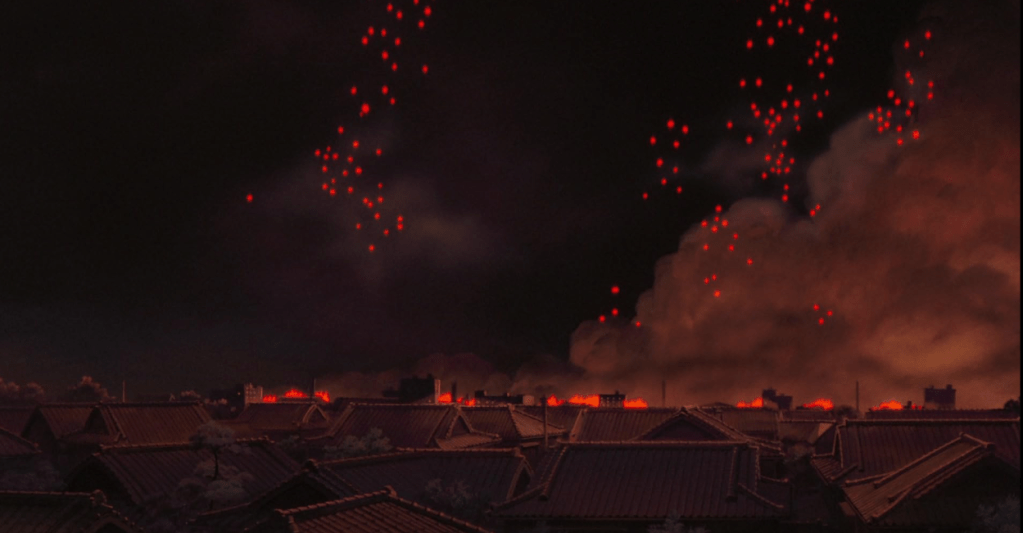
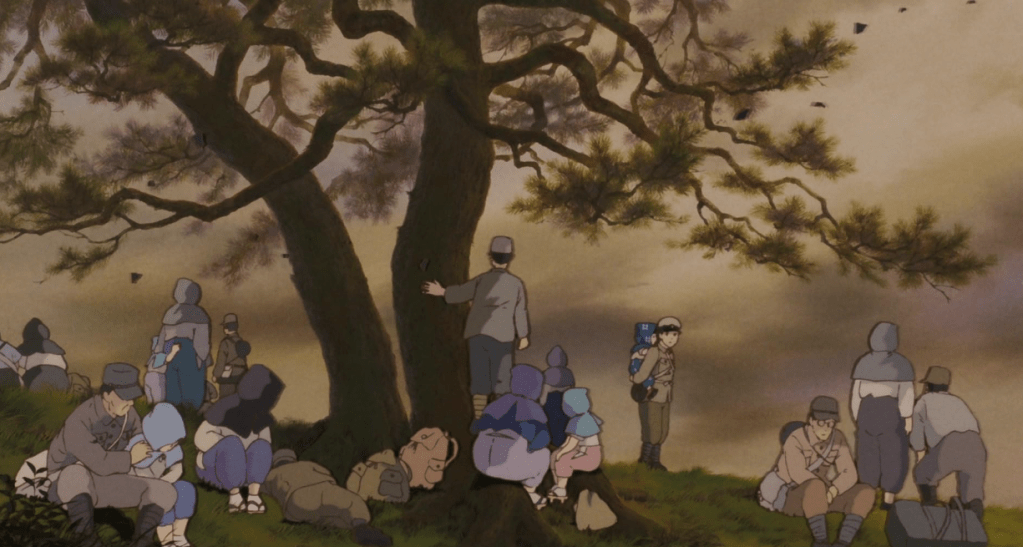
The story opens in Japan near the Pacific War’s end, but for fourteen-year-old Seita (Tsutomu Tatsumi) and four-year-old Setsuko (Ayano Shiraishi), the fighting is far from over. Orphaned after the American air raid of Kōbe in June 1945, the siblings struggle to survive in a segregated, war-torn land. Wherever they flee, the air raids follow. They seek solace at their aunt’s residence, but even within her relatively safe confines, they must earn their daily bread. Eventually, they are forced out, left to endure their nightmare alone.
Grave of the Fireflies was released in 1988, adapted from Akiyuki Nosaka’s 1967 semi-autobiographical novel sharing its title. Although the adaptation received much appraisal, it was shrouded by Hayao Miyazaki’s now-beloved My Neighbour Totoro, released the same year. Studio Ghibli, founded by Takahata and Miyazaki in 1985, produced both features. While the tree spirit Totoro became Ghibli’s symbol, Grave of the Fireflies lingered in its furry shadow.
Studio Ghibli’s many entries maintain a timeless quality, and Grave of the Fireflies is no exception. Takahata handles the source material with expertise, directing a 90-minute film with great pacing and without unnecessary scenes. The animation is crisp and careful. Each frame is a literal hand-drawn painting, shimmering with artistic brilliance. Its soothing, near-hypnotic score, composed by Michio Mamiya, elevates every scene. Combined, the imagery and music balance warmth with sorrow, joy with despair, and leave you reminiscing on your own childhood, when the world was wondrous, untarnished by adult realisations.
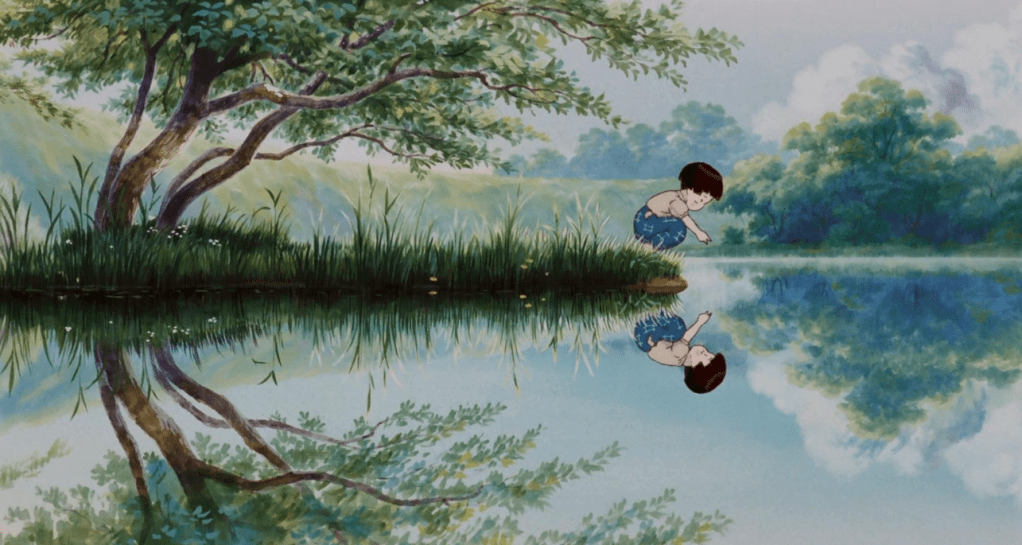
War films often build to a cathartic climax, whereafter the horrendous violence ceases and the main characters find peace. Grave of the Fireflies does not present such a simplified, digestible narrative. Instead, Takahata depicts a harsh, true, and deeply uncomfortable reality. War is not only fought with weapons. It is an internal and external struggle of the entire populace, which the film depicts through its haunting imagery and excellent narrative.
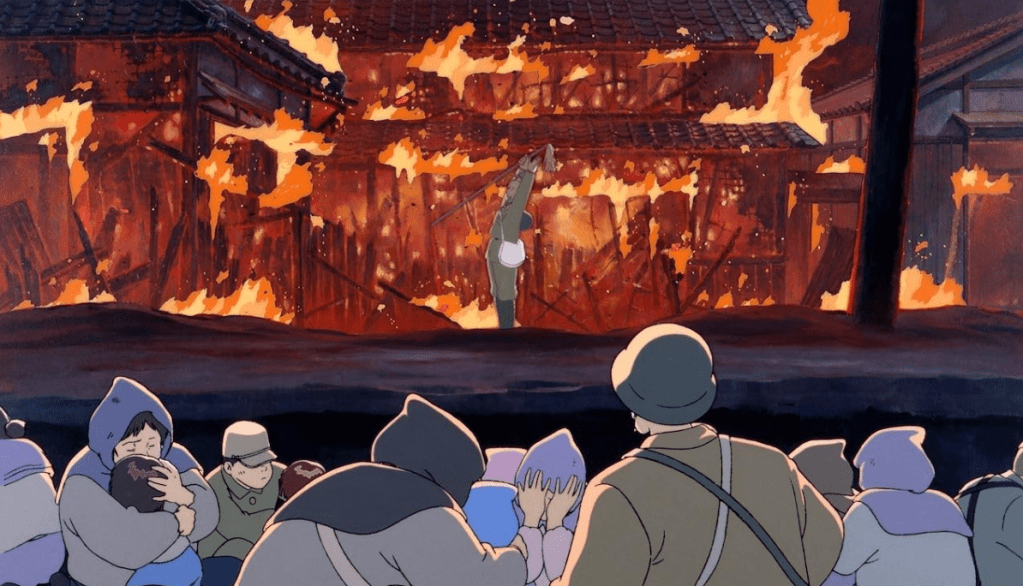
Grave of the Fireflies is, at its core, a film of contrasts and sincerity. Orphaned children transform into soulless litter on the streets of Japan, abandoned by society, dead or dying. Beautiful landscapes are ruined by the red rain of death. Adults fight to protect a country wherein its children starve. A simple bowl of rice is the most extravagant, delicious, and nourishing meal. Seita and Setsuko devour it gleefully, giving them an inkling of hope amid despair.
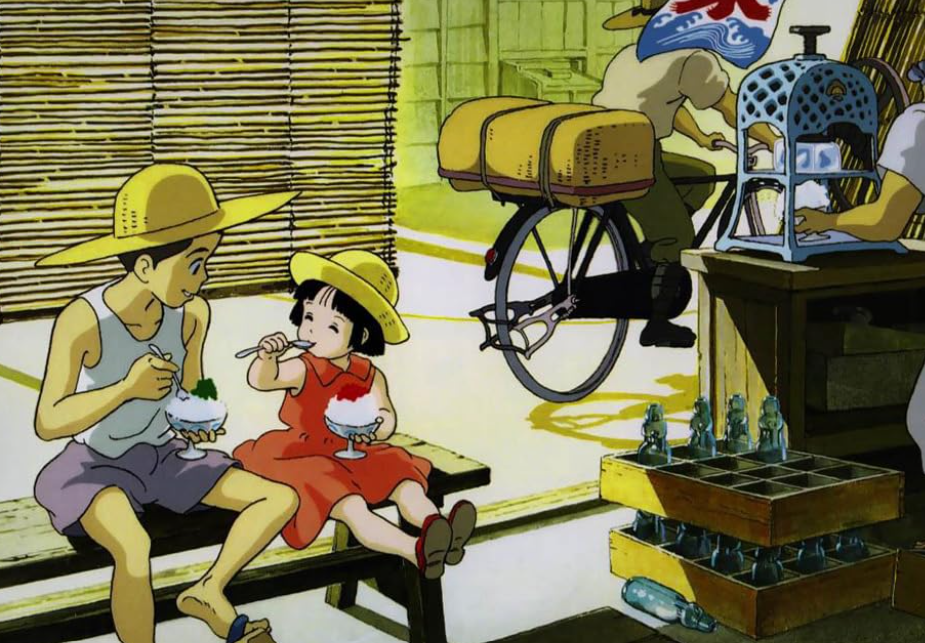
Framing the story from their perspectives only heightens the tragedy of their final fates. It exposes the nightmarish uncertainties of a war-torn country, but simultaneously relishes in those small, wondrous moments only children experience.
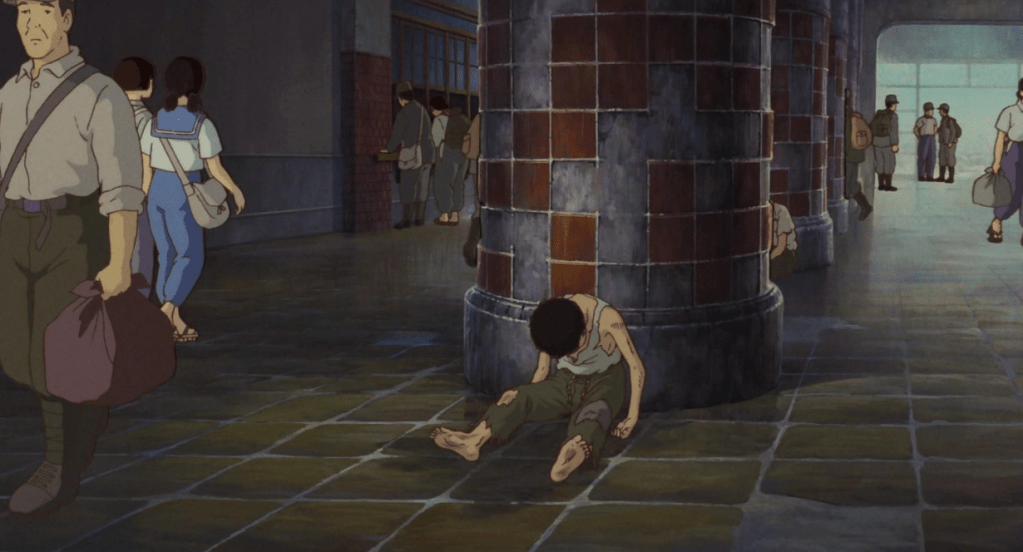
The constant shift from joy and sorrow is Grave of the Fireflies’ greatest strength, making it a masterpiece of emotional filmmaking. Takahata tugs at your heartstrings from the first minute, all the way to the very last second.